
Overview ➣ This article explores the future of WordPress website builders, examining upcoming trends, tools, and innovations that will shape how websites are designed, built, and managed in the years ahead.
WordPress has been a key tool for building websites, helping people and businesses make everything from blogs to online stores.
The journey of WordPress began in 2003 as a simple blogging platform. Over the years, it has grown far beyond its original purpose, transforming into the world’s most flexible and customizable content management system.
In 2025, it powers more than 43% of the entire web, a testament to its adaptability and continuous innovation. One of the biggest drivers of this success has been the steady evolution of website builders.
WordPress website builders are evolving rapidly due to new technology, shifting user preferences, and emerging trends.
In this blog, we’ll explore the future of WordPress website builders and how you can take advantage of these advancements to stay ahead of the curve.

The Evaluation of WordPress Website Builders
To understand where we’re headed, it’s important to look at how WordPress website builders have evolved over time:
- The Classic Editor (Pre-2018): WordPress relied on a text-based editor with shortcodes and limited styling. Page builders like Elementor, Divi, and WPBakery have emerged to fill the gap, providing users with drag-and-drop layouts and design flexibility.
- The Gutenberg (2018–2021): WordPress introduced the block editor, setting the stage for modular, component-based design. Initially controversial, Gutenberg slowly matured into a powerful builder.
- Full-Site Editing (2022–2025): WordPress expanded blocks to headers, footers, and global templates. Block themes replaced traditional themes, giving users granular control without relying on heavy third-party builders.
- AI & No-Code (2024–2025): AI-powered builders now generate sites from prompts, create content, optimize SEO, and simplify workflows. Builders like 10Web AI, Elementor AI, and WordPress.com’s AI Site Builder are setting the tone.
Over the years, WordPress website builders have consistently demonstrated innovation, adapting to user needs, embracing new technologies, and shaping a future where building a professional site is faster, smarter, and more accessible than ever.
Are you interested in exploring trends or developments further? Stay tuned for more information!
Quick Highlights
| Feature | Description | Benefits for Users/Businesses |
|---|---|---|
| Full-Site Editing & Block Themes | Visual design of the entire site using block-based themes | More control to update the design without a developer |
| AI-Powered Design & Development | Automated layout suggestions, content generation, SEO optimization | Faster site creation, personalized experience, better SEO |
| No-Code / Low-Code Editing | Drag-and-drop, pre-built blocks, template libraries | Non-technical users can build complex websites |
| Mobile-First & Responsive Design | Adaptive layouts for mobile, tablet, desktop, and wearables | Better user experience, improved performance |
| Headless CMS & Omnichannel | Content delivered across multiple platforms via API | Consistent content on web, apps, IoT devices |
| Security & Privacy | Built-in GDPR/CCPA compliance, automatic updates, vulnerability scanning | Reduced risk, safer websites for users |
| Collaboration & Workflow Tools | Real-time editing, staging environments, version control | Real-time editing, staging environments, and version control |
| E-Commerce Enhancements | AI product recommendations, subscriptions, membership tools | Higher conversion, easier online selling |
| Advanced Analytics & Personalization | Heatmaps, A/B testing, adaptive content | Higher engagement, data-driven decisions |
The Future of WordPress Website Builders
Full Site Editing and Block Themes
WordPress has been moving toward a fully block-based editing paradigm, where every part of the site, including the header, footer, sidebars, widgets, and global styles, is managed through blocks.
Block themes are getting better, more flexible, and easier to style globally. Themes are adopting more patterns, block templates, and even features like built-in dark mode for modern design needs.
Popular block themes such as Twenty Twenty-Five and Vayu empower users to build leaner, faster, and highly customizable websites.
With patterns and block libraries, users no longer need to design everything manually. Pre-made layouts accelerate site creation while keeping designs consistent and professional.
AI-Powered Help for Designing

AI, or Artificial Intelligence, is now a key part of website building. In the future, WordPress builders will use AI tools to help you design layouts, improve user experience, and even create content.
These tools make it easy to build a professional-looking website without coding.
For example, AI could suggest colours and layouts that match your brand or make your site more user-friendly with just a few clicks.
The integration of AI into WordPress and other platforms not only streamlines the website-building process but also opens up new avenues for creativity and innovation.
Using an AI Website builder, anyone from small business owners to hobbyists can now create professional-looking websites with ease.
Build Without Coding
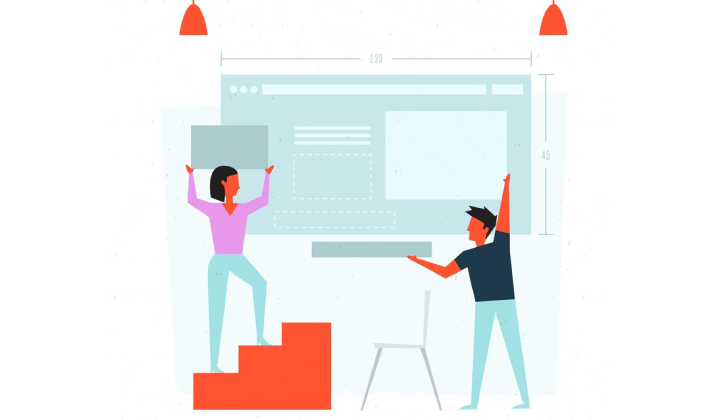
No-code and low-code tools are more popular than ever, making website creation accessible to everyone, from beginners to professional developers.
Drag-and-drop builders like Elementor, Divi, and WPBakery continue improving, but they’re also integrating more with WordPress’s native block editor, allowing hybrid workflows.
They make it possible to design advanced websites with simple visual editing, meaning you don’t need coding knowledge to launch a professional blog, portfolio, or online business.
In addition, they’re becoming lighter, faster, and more modular to ensure efficiency.
Moreover, many of these builders provide a range of customizable widgets and plugins that enhance functionality.
With reusable templates, pre-built blocks, and advanced visual editing, website builders empower non-technical users to create professional, high-quality websites efficiently and effectively.
Features like contact forms, galleries, and social media integrations can be added seamlessly, ensuring that websites look great, perform effectively, and provide the greatest user experience.
Better Mobile Design

More people use their phones than computers to browse the internet, so websites must look great on small screens.
WordPress builders will focus on mobile-friendly designs. You’ll be able to see how your site looks on mobile while editing it and make changes quickly to ensure it works well on any device.
Ultimately, the emphasis on mobile-friendly design in WordPress builders enhances the visual appeal of websites and significantly improves usability and accessibility.
As more and more people use their phones to access the internet, these new features will help businesses, bloggers, and creators connect with their audiences better.
This means their websites will look great and work well on any device, making it easier for everyone to find and enjoy their content.
New Ways to Manage Content

Headless CMS, a system that separates the back end (where content is managed) from the front end (what users see), is becoming more common.
Decoupling the front end and back end through technologies like REST API, GraphQL, and modern frameworks such as React, Vue, or Next.js is also becoming more common.
These tools give developers the power to build highly dynamic, responsive, and fast-loading sites while still managing content in WordPress.
This approach improves performance, scalability, and allows content to be delivered across multiple channels, websites, apps, and even smart devices.
Overall, by using headless CMS, businesses and creators will have more control over their websites, allowing them to create faster, more engaging online experiences for their users.
This means users will enjoy a smoother experience, making it easier for them to find information and interact with the content they love.
Faster Websites
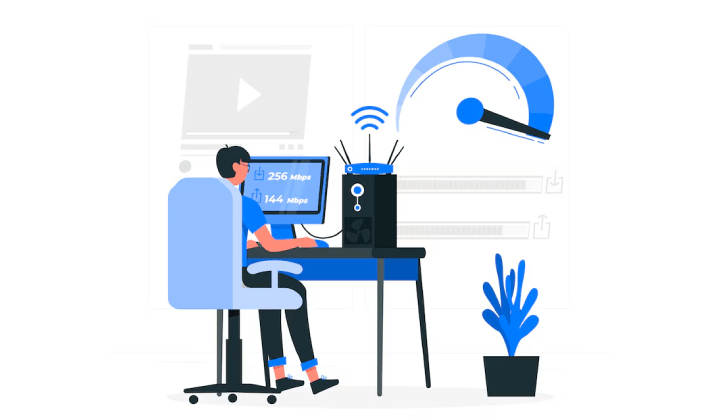
Speed is essential for any website. WordPress builders will include tools to make sites load faster by automatically optimizing images, managing scripts, caching, and improving performance.
Faster websites do more than just create happier visitors; they also positively influence search engine rankings.
Search engines like Google prioritize fast-loading sites because they offer a better user experience. When websites load quickly, they’re more likely to appear higher in search results, leading to increased visibility and more traffic.
This means that businesses can attract more potential customers just by having a well-optimized site.
Security, Privacy, and Compliance
Security features are becoming baseline: two-factor authentication, automated updates, malware scanning, and real-time monitoring.
Privacy regulations such as GDPR and CCPA continue to push site builders and plugin developers to integrate consent management, data minimization, and anonymization by default.
Hosting providers are also stepping up, offering real-time security monitoring and managed WordPress environments.
Looking ahead, WordPress security is moving toward AI-powered solutions. Threats will be detected proactively, updates will be applied automatically, and passwords may be replaced by passkeys.
Built-in privacy tools will simplify compliance, shifting security from reactive measures to smarter, preventative systems.
Team Collaboration Made Easy

As remote work continues to expand, website builders are likely to evolve significantly by incorporating features designed to enhance collaboration among teams.
In addition to real-time editing, which allows multiple users to work on a project simultaneously, we can expect to see an increase in user roles with specific permissions.
We might see features like version history tracking, which allows teams to revert to previous iterations of a project, ensuring that no valuable contributions are lost.
Enhanced project management tools could also be integrated, allowing teams to assign tasks, set deadlines, and monitor progress directly within the website builder.
These tools will make it easier for designers, developers, and content creators to collaborate.
AR and VR Support

Augmented Reality (AR) and Virtual Reality (VR) are transforming the way users engage with online content, offering immersive experiences that traditional websites cannot provide.
As a result, WordPress builders are beginning to integrate specialized tools that enable website creators to incorporate AR and VR elements into their sites seamlessly.
These technologies will elevate user engagement and reshape the standards for digital experiences, leading to richer interactions that captivate and inform users like never before.
Smarter Online Stores

WooCommerce, a popular eCommerce tool for WordPress, is poised for continued enhancements that will empower online store owners.
With the integration of AI-powered product suggestions, store operators will benefit from personalized recommendations that can increase customer engagement and boost sales.
This feature not only helps shoppers discover products that align with their interests but also allows business store owners to optimize their inventory more effectively by understanding consumer behaviour.
Advanced Analytics and Personalization
Analytics will move beyond simple traffic stats. Future builders will integrate advanced dashboards that track user journeys, heatmaps, conversion funnels, and A/B testing.
Personalized content delivery, based on user behavior, demographics, or location, will become a core feature, helping site owners maximize engagement and conversions.
These tools will help site owners better understand their audience, improve engagement, enhance user experience, and boost conversions.
The Future of WordPress Website Builders: Who May Struggle?
As WordPress continues to evolve, certain tools and approaches could lose relevance:
- Heavy, traditional page builders that offer many features but slow down sites or create inefficiencies may be overtaken by lighter, block-based solutions.
- Builders and themes that won’t be compatible with Full-Site Editing (FSE) will gradually become less relevant.
- Complex, custom code for minor tasks is likely to be replaced by flexible, reusable blocks and templates, simplifying site creation and maintenance.
- Builders that overlook mobile optimization, performance, or accessibility risk will be penalized by both search engines and users.
Challenges Ahead
While the future is promising, challenges remain:
- Compatibility: Sites built using legacy page builders or non-FSE themes may not migrate smoothly to modern WordPress setups.
- AI Risks: Over-reliance on AI tools might generate generic or repetitive content, negatively impact SEO rankings, or raise copyright concerns.
- Tool Overload: The growing number of builder options can overwhelm beginners and complicate decision-making.
- Costs: Premium builder ecosystems often involve recurring subscriptions, which can become costly over time.
FAQ
Q: What is full-site editing, and how will it affect website building in WordPress?
Ans: Full-site editing allows users to customize every part of their website, like headers, footers, and layouts, using simple block sections. This means you won’t need to touch any complex code to make big changes.
Q: What programming skills will be useful for creating WordPress website builders?
Ans: Key skills will include PHP, JavaScript for interactive features, and basic knowledge of HTML and CSS for styling. Familiarity with APIs will also help connect to other services.
Q: What is the role of AI in WordPress website building and its impact on the future?
Ans: AI is transforming site creation by generating layouts, writing copy, suggesting SEO improvements, and even creating images. In the future, within WordPress builders, AI will handle everything from smart template selection to automated performance tuning, content personalization, and compliance checks, helping users launch optimized sites faster than ever.
Q: How important is performance in WordPress builders now?
Ans: Performance is critical. Fast-loading websites directly impact SEO and user experience. Builders that deliver lightweight code and speed-optimized themes will give businesses a lasting competitive edge in 2025 and beyond.
Conclusion
WordPress website builders will become more user-friendly, secure, and efficient.
The future is shifting toward more native, modular, AI-augmented, and performance-focused solutions that simplify website creation for everyone.
Prioritizing simplicity and accessibility will allow more people to build professional, high-quality websites without deep technical knowledge.
By embracing security, efficiency, and intuitive workflows, WordPress builders empower users to create outstanding online spaces while navigating the digital landscape with ease.
The future of WordPress website builders is bright, driven by user-focused innovations that help individuals and businesses bring their online visions to life.
If you find this article helpful, do share it with your friends. If you have any questions regarding this, do not hesitate to comment below. We will help you solve your problem. Thanks for reading this blog.
Please Subscribe to our YouTube Channel, we also upload great content there, and also Do Follow us on Facebook and Twitter.
Explore More Articles:


